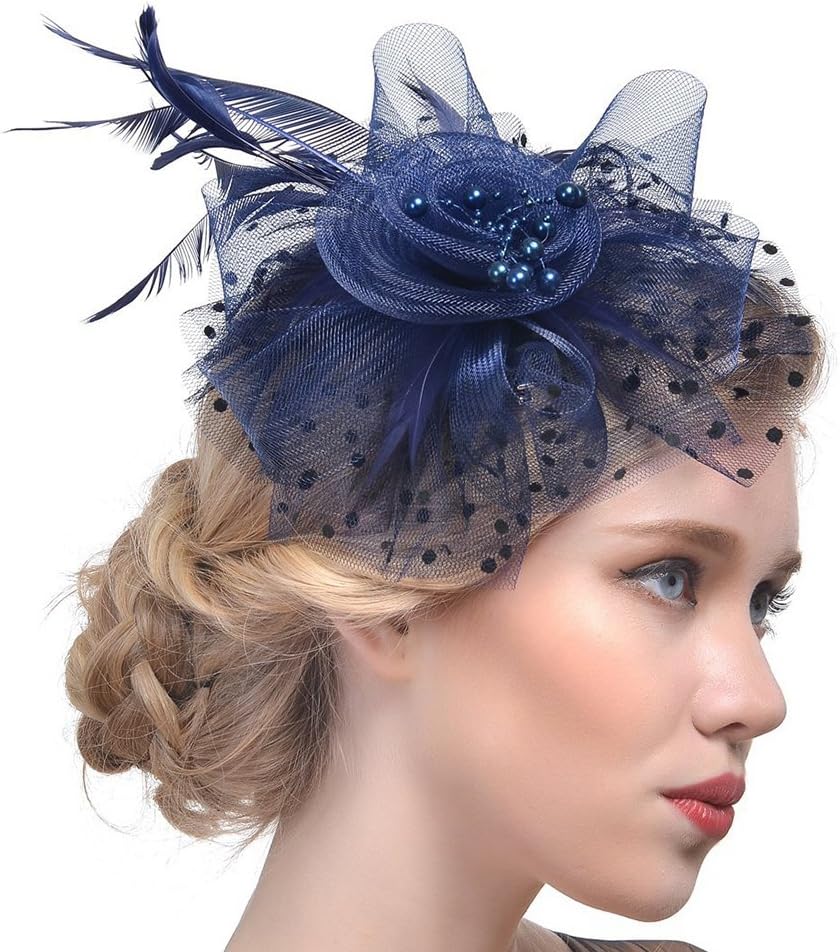
You’ve been invited to a garden party, a bridal luncheon, or an afternoon event with a “smart casual” or “garden chic” dress code — and now you’re staring at the headwear section of a boutique wondering what on earth the difference is between a fascinator (a small, decorative headpiece that attaches to your hair with a comb or clip — think sculptural mini-hat, not a full crown) and a pillbox (a small, flat-topped, brimless hat that sits forward on the head, most famously worn by Jacqueline Kennedy). Both styles have genuine roots in hat culture, both work beautifully for the occasion, and both come at wildly different price points. This guide will walk you through the decision clearly: which silhouette suits your face shape and hair situation, how to match it to the formality level of your event, and when — and how — a pair of gloves turns a good look into a complete one.
If you already know your sinamay from your parisisal and have strong opinions about blocked felt, you’re in the right place too. This article is structured around the actual tradeoffs you face when you have a specific event on the calendar and a decision to make.
Fascinator vs. Pillbox: The Real Tradeoff Isn’t Just Aesthetics
The choice between a fascinator and a pillbox hat is fundamentally a formality question — and getting that wrong is the single most common mistake intermediate buyers make.
Fascinators sit at the intersection of jewelry and headwear. They’re decorative-first pieces: feathers, sinamay (a woven, stiffened palm-fiber material that millinery makers shape into sculptural bases), ribbon cockades, and net veiling are all common components. They attach to the hair with a comb, barrette, or headband, and they work because they’re light — physically and visually. Harper’s Bazaar’s overview of fascinator styling notes that the silhouette reads as “occasion-appropriate without demanding the full commitment of a structured hat,” which is exactly why they’re so popular at garden events and luncheons that don’t carry a strict Royal Ascot-style hat rule.
Pillbox hats are structurally more formal. Smithsonian Magazine’s feature on the pillbox’s place in American fashion traces its mainstream moment to Jacqueline Kennedy’s 1961 inaugural look — designed by Halston — but the silhouette was already well-established in European court dress. The flat crown and brimless profile mean it sits close to the head, which reads as polished and put-together without blocking anyone’s sightlines. That makes it genuinely practical at seated luncheons and indoor events.
The decision frame:
- If your event is outdoors, daytime, under a “garden party” or “smart casual” code: fascinator or a mid-brim structured hat both work. The fascinator is the lower-commitment, lower-maintenance choice.
- If your event is seated, semi-formal, or has a “cocktail” or “afternoon formal” code: the pillbox reads more intentionally dressed. It has hat-wearing commitment in a way a clip-on fascinator doesn’t.
- If you’re attending as a guest at a bridal event (shower, luncheon, rehearsal brunch): fascinators tend to photograph better in group shots because they don’t compete with the bride’s silhouette.
Price Ladder: What You Actually Get at Each Tier
This is where the intermediate buyer’s instinct needs calibrating. The price range for occasion headpieces at this type of event spans $35 to $600+, and the quality signals are real — but they’re not always where you’d expect them.
By the numbers:
- Entry tier ($35–$80): Mass-produced sinamay fascinators, often imported; machine-formed bases, glued trims
- Mid tier ($100–$250): Hand-finished pieces from makers like Lack of Color, Eric Javits, and Scala; better blocking, wire-supported structure
- Designer tier ($300–$600): Hand-blocked, bespoke-adjacent work from Eugenia Kim, Gladys Tamez, and comparable ateliers; signed construction, limited production
- Couture tier ($600+): Philip Treacy, Maison Michel, and similar; full hand-blocking, custom-sourced materials, occasion-specific design
Where the tradeoff is real: Between entry and mid-tier, you’re primarily buying durability and trim quality. A $55 fascinator from a mass-market retailer will have a glued feather trim that separates after two wears if it’s exposed to humidity or light rain. A $150–$180 piece from a reputable maker uses stitched or wired trims that hold structure across a full season of events.
Where the tradeoff is murkier: Between mid-tier and designer ($250 to $450), you’re partly paying for brand provenance and design authorship. Vogue’s guide to occasion hat etiquette makes this point implicitly — the editorial coverage of pieces in this range focuses heavily on the designer name and the inspiration narrative rather than construction specification. That’s not dishonest; design vision is a legitimate part of what you’re purchasing. But if your priority is durability and wearability over multiple seasons, a well-constructed mid-tier pillbox from a regional milliner often outperforms a designer-tier piece where the premium is concentrated in the label.
The genuine case for the splurge: At $500 and above, particularly from makers like Gladys Tamez or custom millinery studios, you are getting hand-blocked felt or hand-shaped sinamay that’s built to last decades, not seasons. Reviewers and buyers working with professional wardrobe consultants consistently note that pieces at this tier become wardrobe anchors — pieces styled around, not with.
Silhouette and Fit: The Decisions That Actually Determine Whether It “Works”
“Hats don’t suit me” is almost always a fit or proportion problem, not a face shape destiny. Town & Country Magazine’s guide to garden party dressing makes the useful point that proportion is relative to your outfit’s collar height and shoulder line, not just your face.
For fascinators:
Placement matters more than people expect. A fascinator worn too far back on the head reads informal, almost accidental. Worn at a 45-degree angle toward the right eyebrow — the traditional millinery placement — it reads intentional. The standard guidance from British millinery associations is that the base of the piece should sit roughly at the hairline, not on top of the crown.
Hair volume is a genuine practical constraint here. Fascinators with comb attachments need enough hair to grip. If you have fine or short hair, look specifically for pieces with a wider comb or a headband-style base. This is a construction detail worth asking about explicitly before purchasing.
For pillboxes:
The pillbox sits forward on the head, slightly tilted toward the forehead — not perched on the crown. If yours looks like a yarmulke, it’s positioned wrong. The hat should feel secure without pins; if it doesn’t, the sizing is off. Most quality pillboxes are sized in inches (interior circumference) or S/M/L, and adding a thin hat-sizing tape strip is the standard fix for a slightly-too-large fit. This is the first thing any professional milliner will tell you.
Glove Pairings: The Decision Framework
The revival of gloves as an occasion accessory has been well-documented — Elle’s 2025 feature on glove etiquette positioned the trend as fully mainstream for formal daytime events by mid-decade. But for the hat-wearing context specifically, the pairing logic follows a few clear rules.
Match formality level, not color. A fascinator at a garden luncheon pairs best with wrist-length gloves (called “shorties” in the trade — they hit at or just above the wrist bone). Elbow-length or opera-length gloves belong with a pillbox at a more formal indoor affair. The mismatch — a sculptural Philip Treacy fascinator with opera gloves at a backyard bridal shower — reads as costume, not fashion.
Fabric matters for proportion. Lightweight cotton or lace shorties work with a feather-trimmed fascinator without competing. Satin shorties elevate a pillbox ensemble toward genuine occasion dressing. Reviewers of Cornelia James gloves and similar mid-market British makers consistently note that cotton piqué gloves hold their shape through a full afternoon event better than synthetic alternatives at the same price point.
The practical tradeoff: Gloves require you to remove them for eating, and keeping track of them through a three-course luncheon is a real logistical consideration. If the event involves a long seated meal, wrist-length shorties are easier to manage than anything longer.
If X, then Y — the decision rule:
- If your event is outdoor, semi-casual, and the dress code says “garden party” or “smart casual”: Choose a fascinator in a neutral or outfit-matched tone, positioned at 45 degrees forward-right, with wrist-length gloves in cotton or lace. Budget $80–$180 for a piece that photographs well and holds up through the season.
- If your event is indoor, seated, and the dress code says “afternoon formal” or “cocktail”: Choose a pillbox in felt or structured fabric, properly fitted to your head circumference, with satin shorties or no gloves at all if the rest of the ensemble carries the formality.
- If you’re investing for multiple events: The mid-to-designer tier ($200–$400) from a named milliner gives you a piece that works across seasons and occasions. Below that, treat it as a single-event purchase.
- If you’re building a wardrobe anchor and the occasion justifies it: A hand-blocked piece from Gladys Tamez, Eugenia Kim, or a comparable atelier is the hat you’ll be asked about for the next decade. The premium is real, the provenance is real, and for buyers with a regular occasion calendar, the per-wear math eventually closes.
The goal is always the same: a hat that looks like it belongs, fits like it was made for you, and makes you feel like you dressed with intention — not like you grabbed something off a rack because the invitation said “festive attire.” That’s achievable at every tier on this list. You just need to know which tradeoffs you’re making.